Can I enter the basement to unplug equipment?
Do not enter standing water near electrical equipment. Arrange safe isolation by an appropriate professional before accessing the affected space.
Monroe, Michigan · Drain and sewer services
Stop the inflow, define the contaminated area and plan recovery.
Looking for sewer backup cleanup in Monroe? A sewer backup creates two jobs: address the drainage fault and manage the affected building materials. Call to explain the water level, affected rooms and whether wastewater is still entering.
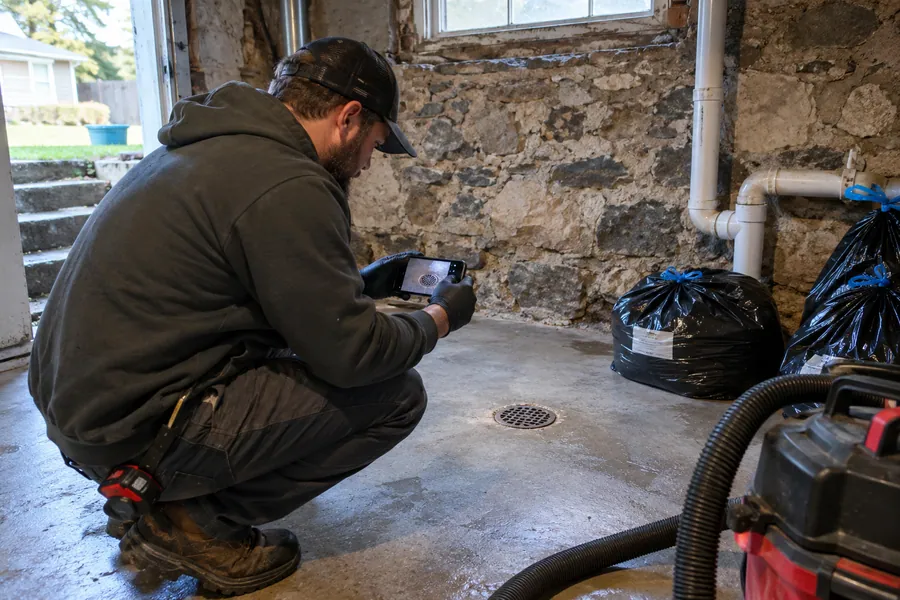
Identify the wastewater system before choosing the next call.
The City of Monroe provides a wastewater trouble-reporting route for sewer backups and odors. Confirm the utility serving the property rather than relying on a Monroe postal address alone.
Describe whether the issue is limited to one fixture or continues when the house is not using water. For work around a yard or drive, identify existing access caps and keep previous pipe records available. Any excavation plan should include utility locating.
A basement can remain contaminated after the standing water has gone. Porous materials, hidden edges and moisture below finishes need attention. The drainage diagnosis and the cleanup plan should be recorded separately so neither is assumed to be complete when only one task has been done.
Do not assume that a cleared floor drain means the room is ready for normal use. Cleanup requirements depend on contamination and materials. Electrical hazards or unsafe access can prevent immediate entry.
Area, water depth, porous materials and concealed moisture affect cleanup work. Ask which extraction, disposal, cleaning and drying tasks are included and which require a separate specialist.
Keep children and pets away from the affected area. Avoid tracking wastewater into other rooms. Photograph conditions from a safe dry position and retain receipts and inspection notes for your own records.
Local utility guidance for Monroe
Identify the wastewater system before choosing the next call. Describe whether the issue is limited to one fixture or continues when the house is not using water. For work around a yard or drive, identify existing access caps and keep previous pipe records available. Any excavation plan should include utility locating.
Do not enter standing water near electrical equipment. Arrange safe isolation by an appropriate professional before accessing the affected space.
No. Clearing a pipe restores drainage; cleaning affected surfaces and dealing with damaged materials are separate tasks.
Describe the affected rooms, water level, source, duration and any electrical equipment nearby. Explain whether wastewater is still entering.
Have the service address, affected fixtures and timing ready. If water is entering without household water use, explain that pattern and report the possible system problem to the serving utility.
A slow sink and a basement backup need different investigations.
A blockage can hide a leaking trap, damaged fitting or poorly supported drain.
Call when wastewater is rising, a toilet is overflowing or several fixtures have stopped draining.
Hydro jetting can remove deposits that leave a line restricted after basic clearing.
When several fixtures drain badly together, the shared main deserves attention.
A private sewer carries wastewater from the building toward the public collection system.
A sewer camera can help identify roots, deposits, joint displacement and other visible defects.
A broken joint, damaged fitting or collapsed section needs a repair plan supported by the findings.
Trenchless methods can reduce surface disturbance on a suitable sewer.
Call with the address, affected fixtures and any previous inspection details. The phone line is available 24/7; confirm the current service window and proposed scope on the call.