Does every slow drain need a sewer camera?
No. An accessible trap blockage may be resolved without a sewer inspection. Recurring clogs or symptoms across several fixtures give a stronger reason to inspect farther along the line.
Detroit, Michigan · Drain and sewer services
Answers that help you plan the next step.
Use these questions to prepare for a call about a drain blockage, sewer inspection or possible repair. The actual property condition determines the work.
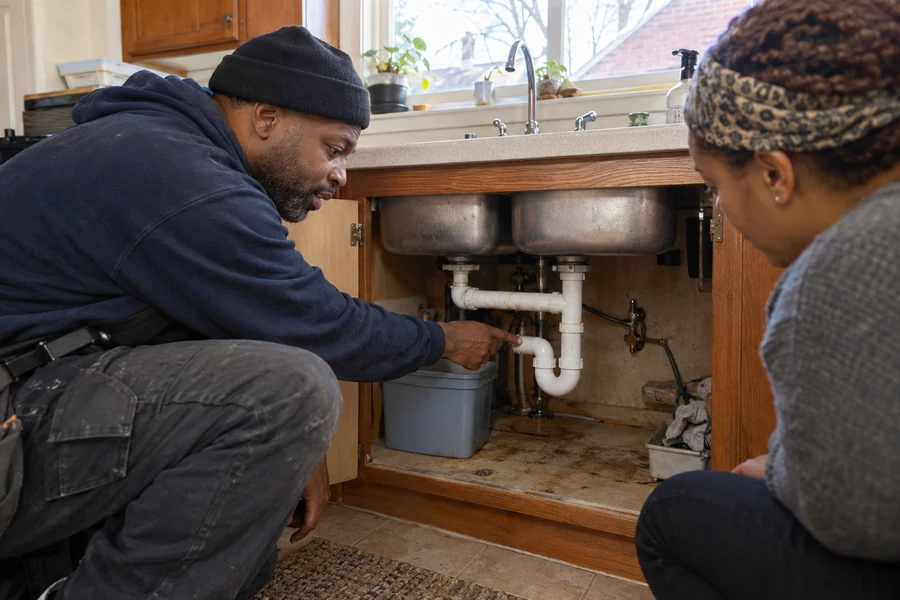
No. An accessible trap blockage may be resolved without a sewer inspection. Recurring clogs or symptoms across several fixtures give a stronger reason to inspect farther along the line.
Tell the technician about any product already used, including when it was added. Avoid mixing products or adding more chemicals to standing water.
Yes. The phone line is available 24/7. Describe the active backup and ask about the current service window.
No. Pressure and nozzle choice must suit the pipe and the material being removed. A published maximum pressure is not a safe setting for every line.
No. A camera shows visible internal conditions. Other tests may be needed when the question is leakage rather than a visible obstruction or break.
Not necessarily. Some projects require access pits or an improved cleanout. The access and reinstatement plan should be explained before work.
Have the address, affected fixtures, timing and earlier inspection records ready. Mention any chemical use, unsafe access or wider street flooding.
The Services page links to the existing drain cleaning, inspection and sewer repair pages. Each explains the intended work and its practical limits.
A slow sink and a basement backup need different investigations.
A blockage can hide a leaking trap, damaged fitting or poorly supported drain.
Call when wastewater is rising, a toilet is overflowing or several fixtures have stopped draining.
Hydro jetting can remove deposits that leave a line restricted after basic clearing.
When several fixtures drain badly together, the shared main deserves attention.
A private sewer carries wastewater from the building toward the public collection system.
A sewer backup creates two jobs: address the drainage fault and manage the affected building materials.
A sewer camera can help identify roots, deposits, joint displacement and other visible defects.
A broken joint, damaged fitting or collapsed section needs a repair plan supported by the findings.
Trenchless methods can reduce surface disturbance on a suitable sewer.
Call with the address, affected fixtures and any previous inspection details. The phone line is available 24/7; confirm the current service window and proposed scope on the call.